Last week, I flew out to Colorado to visit, Erin. Now, it goes without saying that I will leap at any chance to have time with my Peanut. I don’t need excuses to visit. But in this case, we had a bit of an agenda. Erin was in need of a car, and I went out to help her with the purchase.
Yes, she is 25 years old and could have done all of it on her own. But here’s the thing. Statistics show that women, on average, pay more for cars — new and used — than do men. In fact, White men pay the least of all. Women and all people of color will, on average, pay more for the same car, in the same regions, and even at the same dealerships. This is not an imagined form of discrimination. This is real and documented and supported by data.
So, out to Denver I went. We found her a car at a decent price. She’s happy, and I had time with my darling girl.

Erin in her new car!
But . . .
The other night, I finally saw On The Basis of Sex, the Ruth Bader Ginsberg biopic that came out in 2018. The movie is, of course, a Hollywood take on an extraordinary historical figure, and so is bound to suffer from some flaws. But it offers an unstinting look at the barriers placed before RBG, who was always the smartest person in whatever room she entered, and always the best lawyer in any courtroom she graced. In this way, it reminded me of 42, the Jackie Robinson biopic starring the late Chadwick Boseman, and Hidden Figures, which told the stories of Katherine Johnson, Dorothy Vaughn, and Mary Jackson, Black NASA mathematicians whose revolutionary work helped make possible the American space program.
In all of these movies (and countless other similar films that I have failed to mention) we are reminded of the irrefutable truth that sexism and racism (as well as homophobia, religious bigotry, and discrimination against people with disabilities) create nearly insurmountable barriers to success for too many.
And this is the insidiousness of the current Administration’s hysterical and irrational assault on DEI programs across the country. The assumption underlying this “policy” is that white, cis, straight males are the standard that define what it means to be qualified and competent. This is, of course, utterly ridiculous, and to see how foolish it is, take a moment to read any online biography of General Charles Q. Brown, the former Chairman of the Joint Chiefs of Staff fired by the present occupant of the White House for no other reason than because he happens to be Black. For that matter, take a moment to read a biography of Admiral Linda Fagan, the first female commandant of the Coast Guard, or Admiral Lisa Franchetti, the first woman to serve as Chief of Naval Operations and thus the first female member of the Joint Chiefs. Both were fired, apparently, because they’re woman and, like Brown, were seen by the Administration as “DEI hires.”
As if the Administration itself isn’t filled with (and led by) hires that are based entirely on race and gender! Does anyone honestly think that Pete Hegseth would be Secretary of ANYTHING if he weren’t a straight White guy. Does anyone think that Donald Trump would be anything more than a two-bit grifter if he hadn’t been born White, male, and rich-as-fuck?
When I was in graduate school, my (white male) advisor told me the story of how he came to be hired as a history professor at Stanford. He happened to be in the office of his (white male) advisor when the (white male) chair of the history department at Stanford phoned the aforementioned advisor, who was an old pal from Yale. The history department chairman said, “We have an opening here for an American history professor. Do you have any grad students who are on the verge of finishing their dissertations?”
“Actually, I have one sitting right here, and he’d be perfect.” At that point, my advisor’s advisor turned the conversation over to my future advisor who was “interviewed” and hired on the spot.
They call it an Old Boys Network for a reason, and such advancement has long been available to White men across academia, as well as throughout the business world, the legal and medical professions, politics, and in pretty much every other professional realm imaginable. Was my advisor qualified for the job? Absolutely. Was he more qualified than anyone else — of any race, gender, or group — who might have sought the job at Stanford had it been advertised and thrown open to all properly credentialed applicants? Who knows?
DEI is not intended to give an unfair advantage to underrepresented groups. Rather it is intended as a corrective for a culture, society, and economic system that haver been tilted in favor of White men literally for centuries.
And yes, I count myself among those who have benefitted from that uneven playing field. Absolutely I do! I was born White, male, upper-middle class. I’m straight. I was given every opportunity to succeed — I grew up in a nice house, in a good school system, raised by parents who fed me well, kept me safe, and took an active role in my education. I was taught from an early age that being smart, and being perceived as smart, are good things. I never faced any social pressure to hide my intelligence in order to be deemed “more attractive,” as so many girls my age were. I never feared the police. I never was called by the “N” word, as my best friend was, in my presence, when we were twelve. When the time came, I was in an economic position that allowed me to attend an Ivy League university. What an advantage all of that was! My privilege set me up for success. I know this. And I deal with it the only way I know how: by being an ally to those who didn’t have my privilege, and by fighting (and voting) for social justice and economic equality at every opportunity. Yes, I’m Woke. You’re damn right I am.
The current Administration is attempting to reverse more than half a century of progress on women’s rights, Civil Rights, LGBTQ+ rights, and antipoverty efforts. Why? Because they see anything that further levels the playing field as being to their personal disadvantage. Many of their supporters feel the same way. They would rather perpetuate a system filled with bias, one that rewards mediocrity by limiting competition from qualified women, qualified people of color, qualified people with disabilities, qualified people who identify as queer. They are terrified by the surety that if forced to compete with a wider group of skilled, talented people, they are likely to lose out. And they’re probably right. But that doesn’t change the fact that they are pursuing an ideological agenda that is immoral, cruel, and bad for our country.
Wishing you a good week.

 In the next week or so, we — Sarah J. Sover, the good people at Falstaff Books, and me — will be starting a Kickstarter for a new anthology, Disruptive Intent.

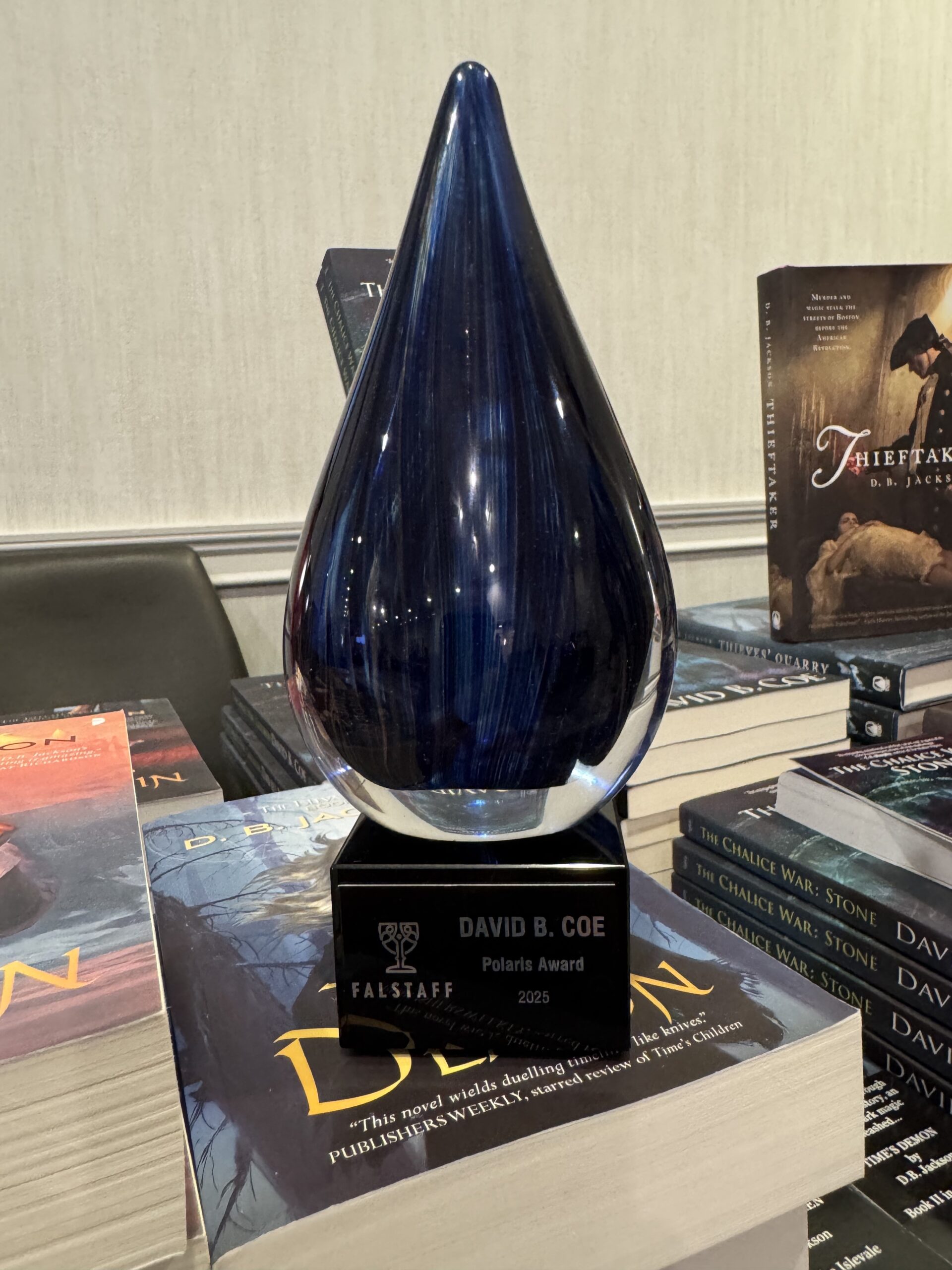 Last weekend, at ConCarolinas, I was honored with the Polaris Award, which is given each year by the folks at Falstaff Books to a professional who has served the community and industry by mentoring young writers (young career-wise, not necessarily age-wise). I was humbled and deeply grateful. And later, it occurred to me that early in my career, I would probably have preferred a “more prestigious” award that somehow, subjectively, declared my latest novel or story “the best.” Not now. Not with this. I was, essentially, being recognized for being a good person, someone who takes time to help others. What could possibly be better than that?
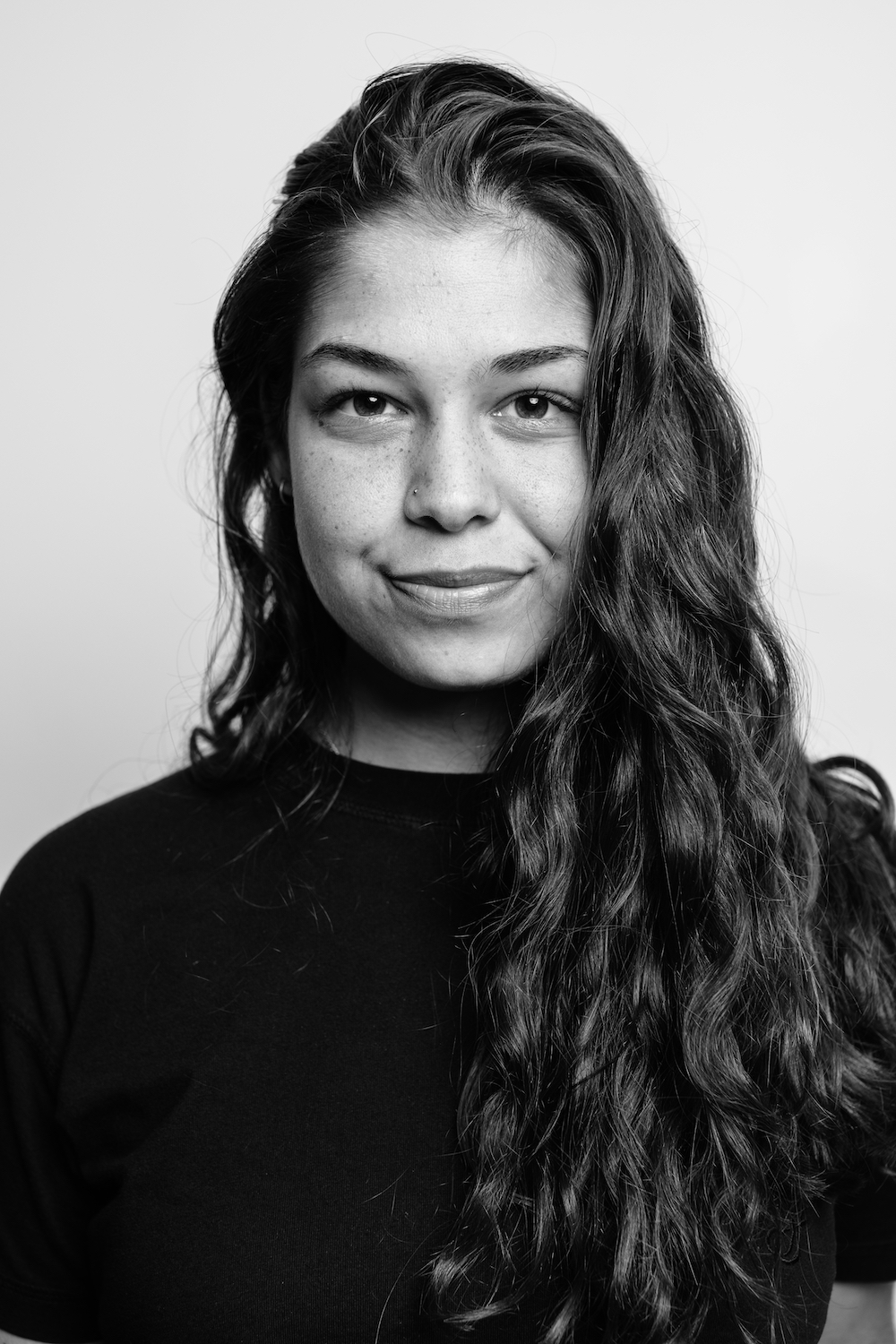 Our beloved older daughter would have been thirty years old today.
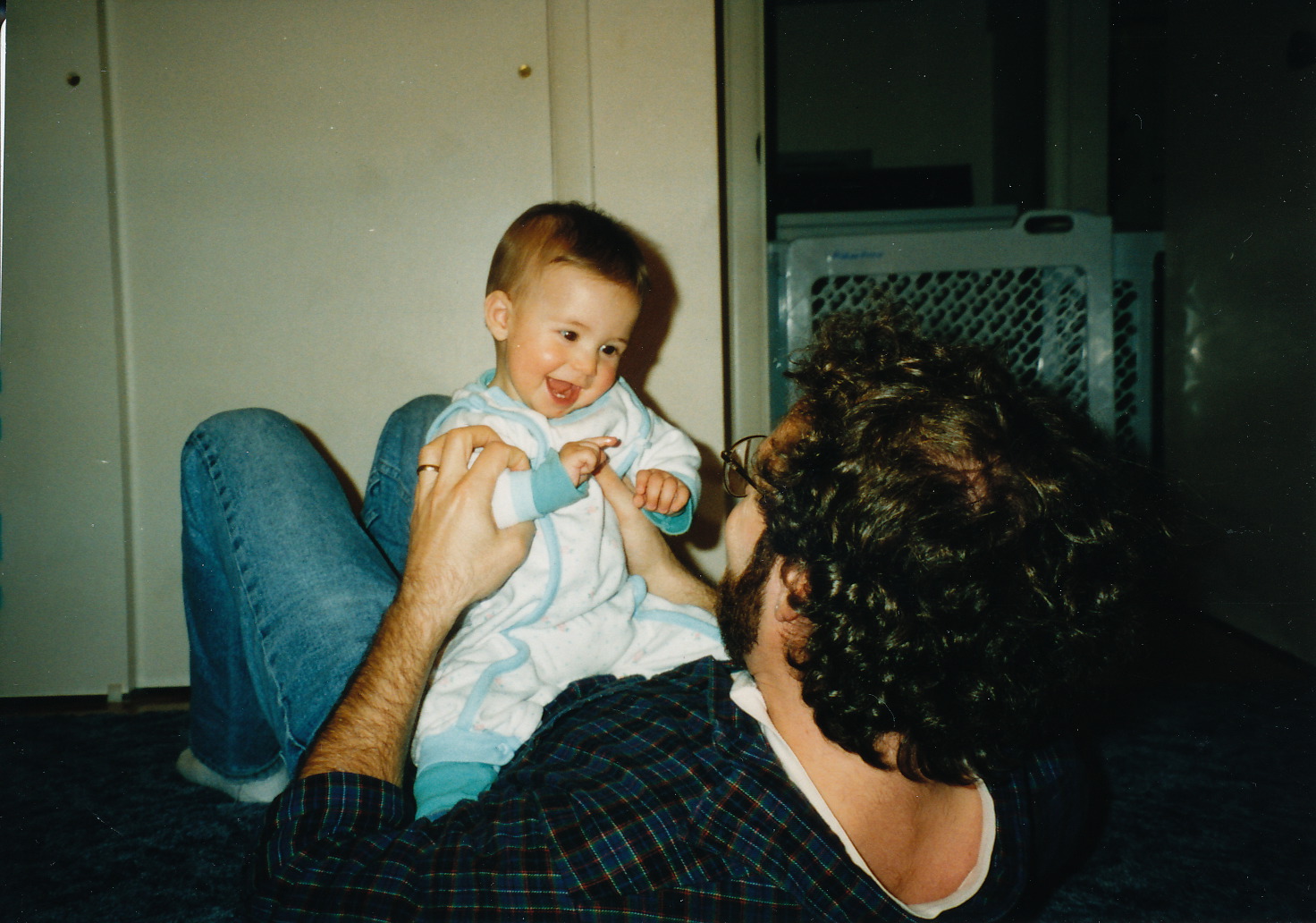 Later we realized that the name was too small to contain her, too simple to encompass all that she was, all that she would grow to be. She might have been the smallest in her class, but she was smart as hell and personable, with a huge, charismatic personality. She might have been the smallest on her teams, but she was fast and savvy and utterly fearless. On the soccer pitch and in the swimming pool, she was fierce and hard-working. Size didn’t matter. She might have been the smallest on stage, but she danced with passion and joy and grace, and, when appropriate, with a smile that blazed like burning magnesium.
 One time, in a soccer match against a hated rival, a player from the other team, a huge athlete nearly twice Alex’s size, grew tired of watching Alex’s back as she sped down the touchline on another break. So she fouled Alex. Hard. Slammed into her and sent her tumbling to the ground. I didn’t have time to worry about my kid. Because Alex bounced up while the ref’s whistle was still sounding, and wagged a finger at the girl. “Oh, no you don’t,” that finger-wag said. “You can’t intimidate me.”
 She was effortlessly cool, like her uncle Bill — my oldest brother. And she had a wicked sense of humor. She was brilliant and beautiful. She loved to travel. She loved music and film and literature. She was passionate in her commitment to social justice. She adored her younger sister. And she was without a doubt the most courageous soul I have ever known.
 When Alex was three years old, Nancy took a sabbatical semester in Quebec City, at the Université Laval. I stayed in Tennessee, where I was overseeing the construction of what would become our first home. Once Nancy found a place for them to live, I brought Alex up to her and helped the two of them settle in. In part, that meant finding a day-school for Alex so that Nancy could conduct her research. We put her in a Montessori school that seemed very nice, but was entirely French-speaking. The first morning, Alex was in tears, scared of a place she didn’t know, among people she could scarcely understand. But we knew she would love it eventually, and as young parents, we had decided this was best. So we explained to her as best we could that we would be back in a few hours, that the people there would take good care of her, and that this was something we needed for her to do. I will never forget walking away from the school, with tiny Alex standing at the window, tears streaming down her face as she waved goodbye to us. And I remember thinking then, “She is the bravest person I know.” Remember, Alex, all of three years old, didn’t speak a word of French!!
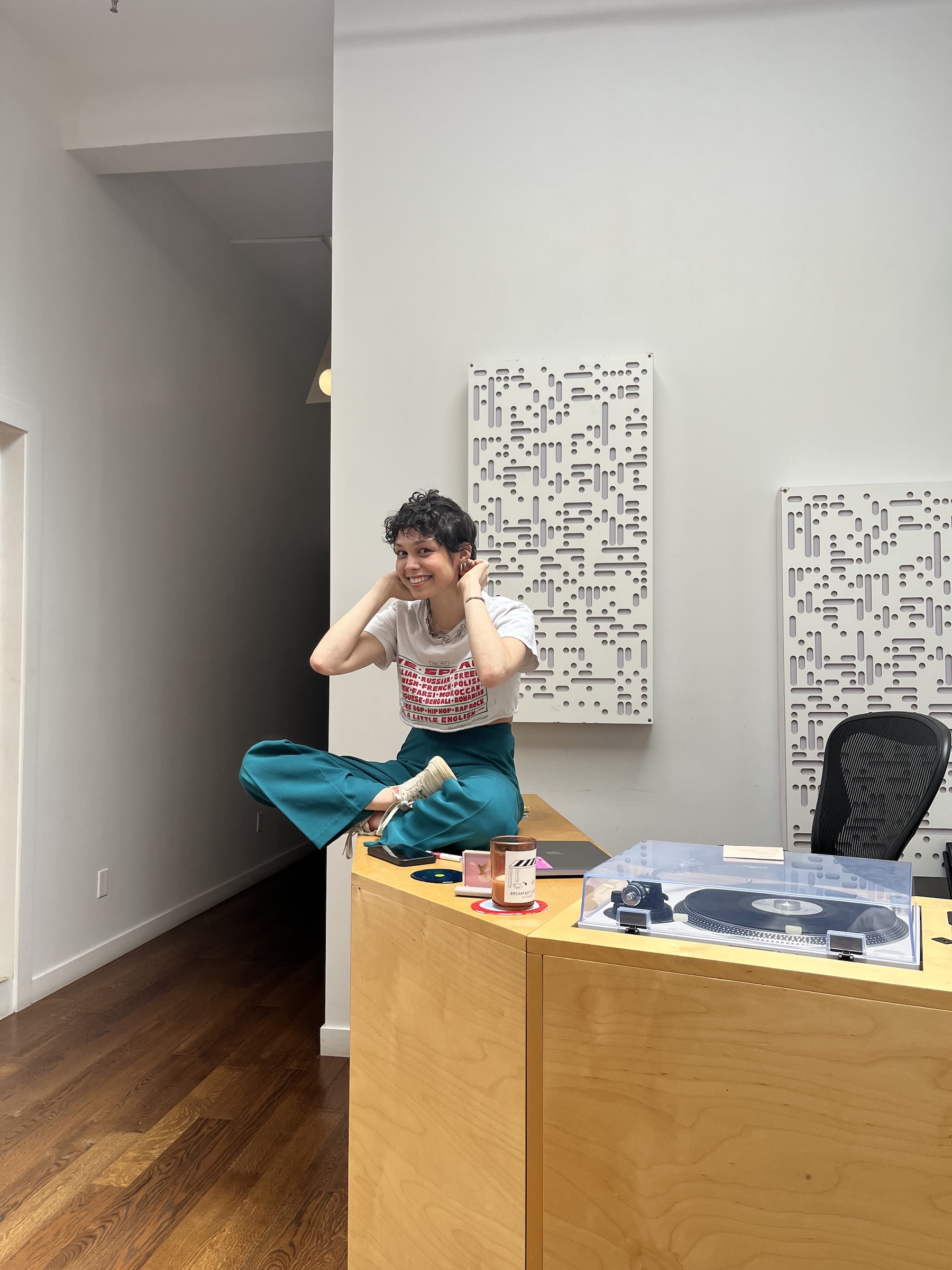 Her dauntlessness served her well on the pitch and in the pool, on stage and in the classroom. It fed an adventuresome spirit that took her to Costa Rica for a semester in high school, to the top of Mount Rainier with a summer outdoor program, to a successful four years at NYU, to Germany for part of her sophomore year in college, to Spain for all of her junior year in college, and on countless side-trips all over Europe.
 She was, in short, remarkable. I loved her more than I can possibly say. I also admired her deeply. To this day, I push myself to do things that might make me uncomfortable or afraid by telling myself, “Alex would do it, and she’d want me to do it as well.”




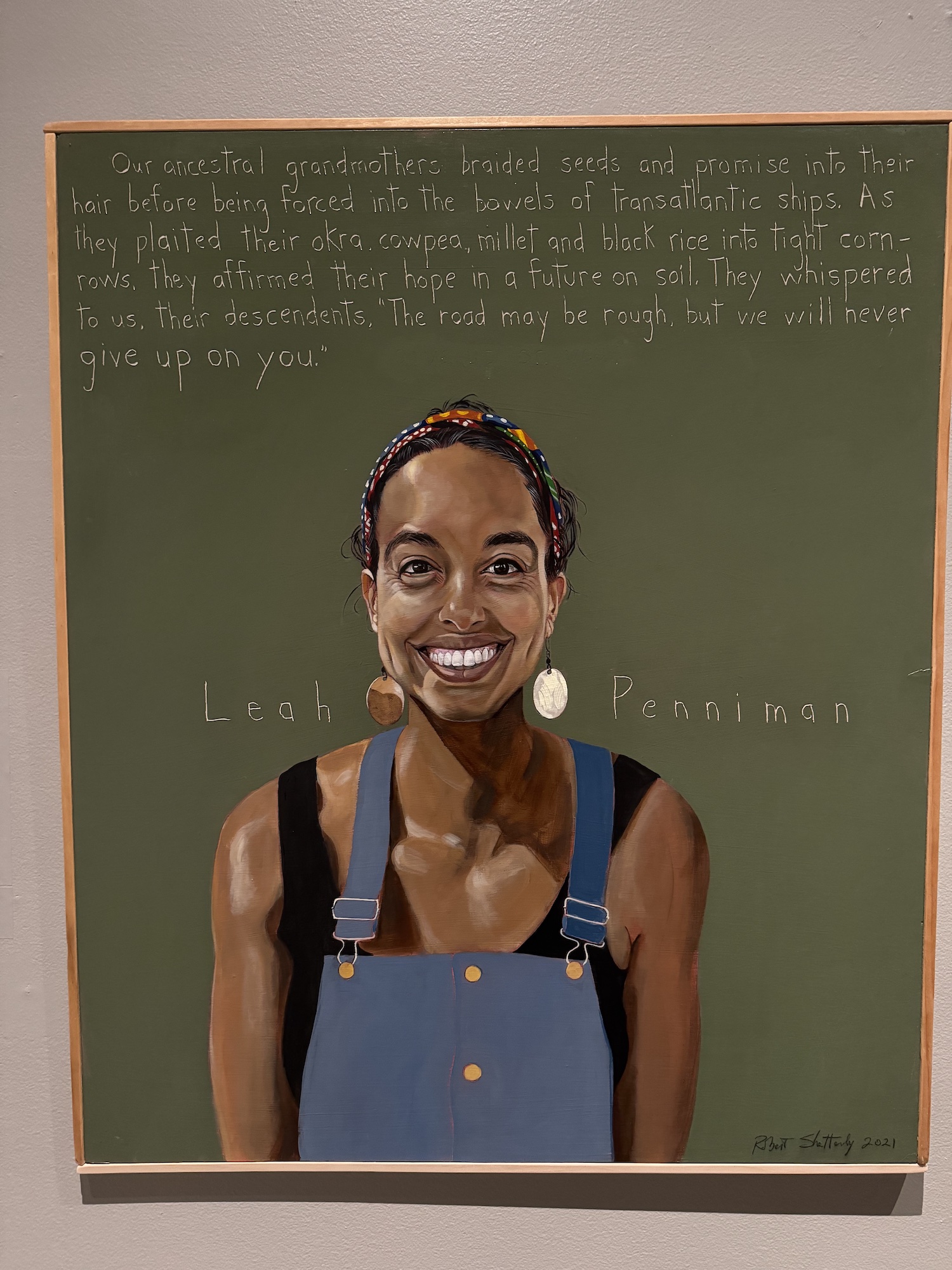 Yet, the figures who fascinated me most during our afternoon at the museum were those of whom I’d known nothing — not even their names — before seeing the exhibit. One of them was Leah Penniman, a food justice advocate and activist whose portrait exudes warmth and joy. Her quote is wonderful and worth repeating in full:
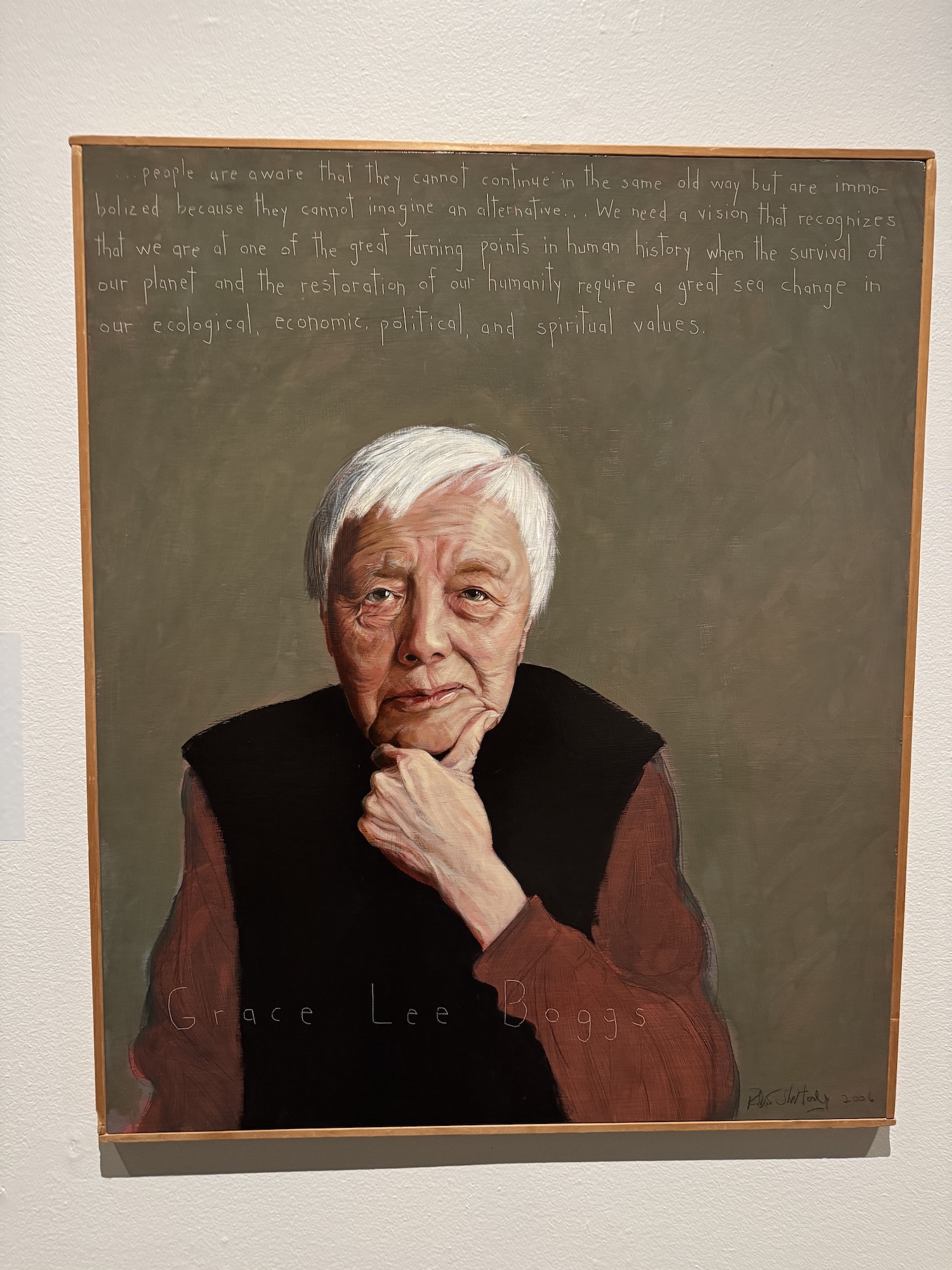 Another was Grace Lee Boggs, an author and community organizer, who gazes out from her portrait appearing tough, frank, unwilling to put up with any BS. Her quote:
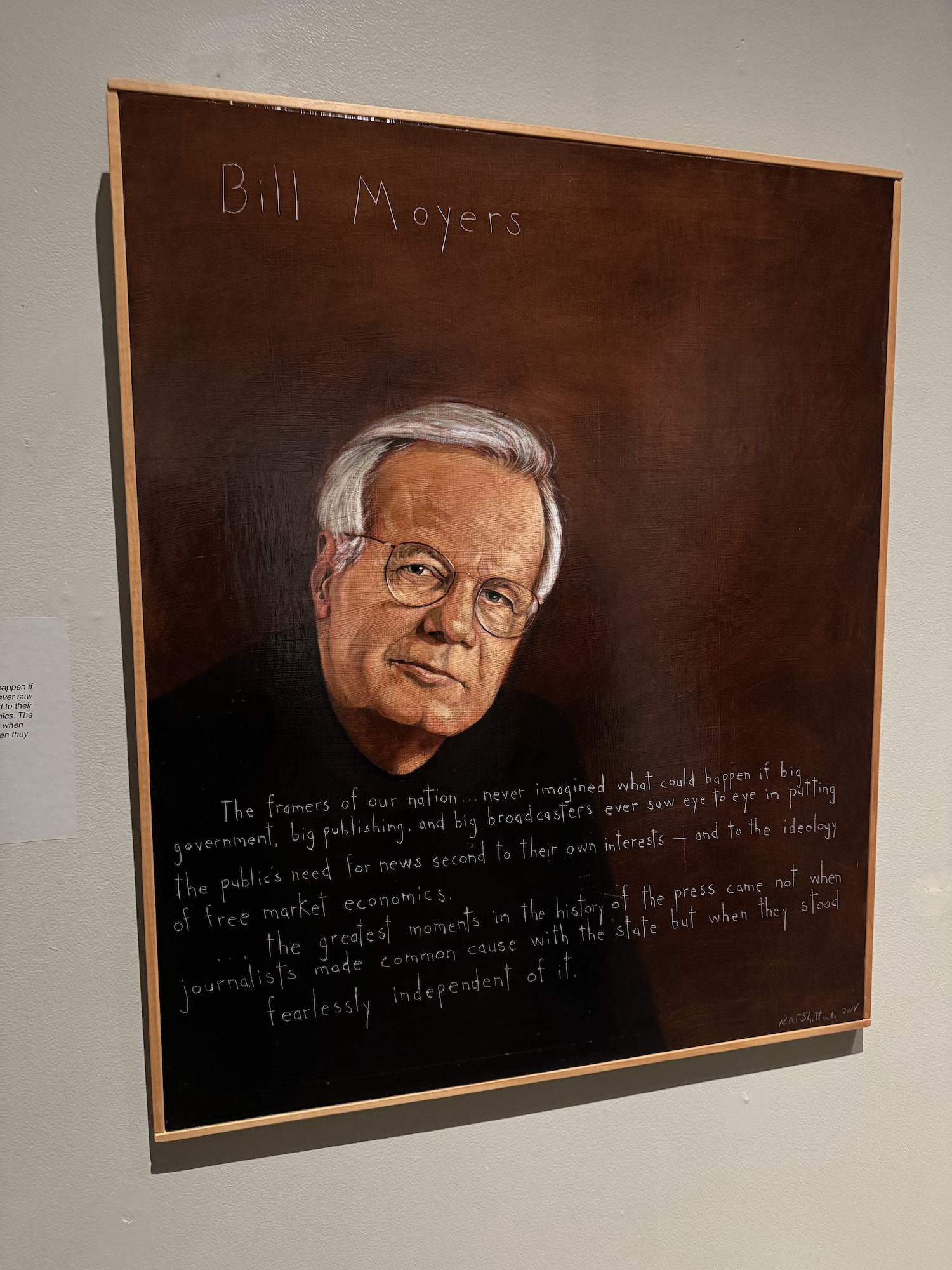 One of my favorite portraits was of a media hero of mine, PBS’s Bill Moyers. I will leave it to him to have the last word:
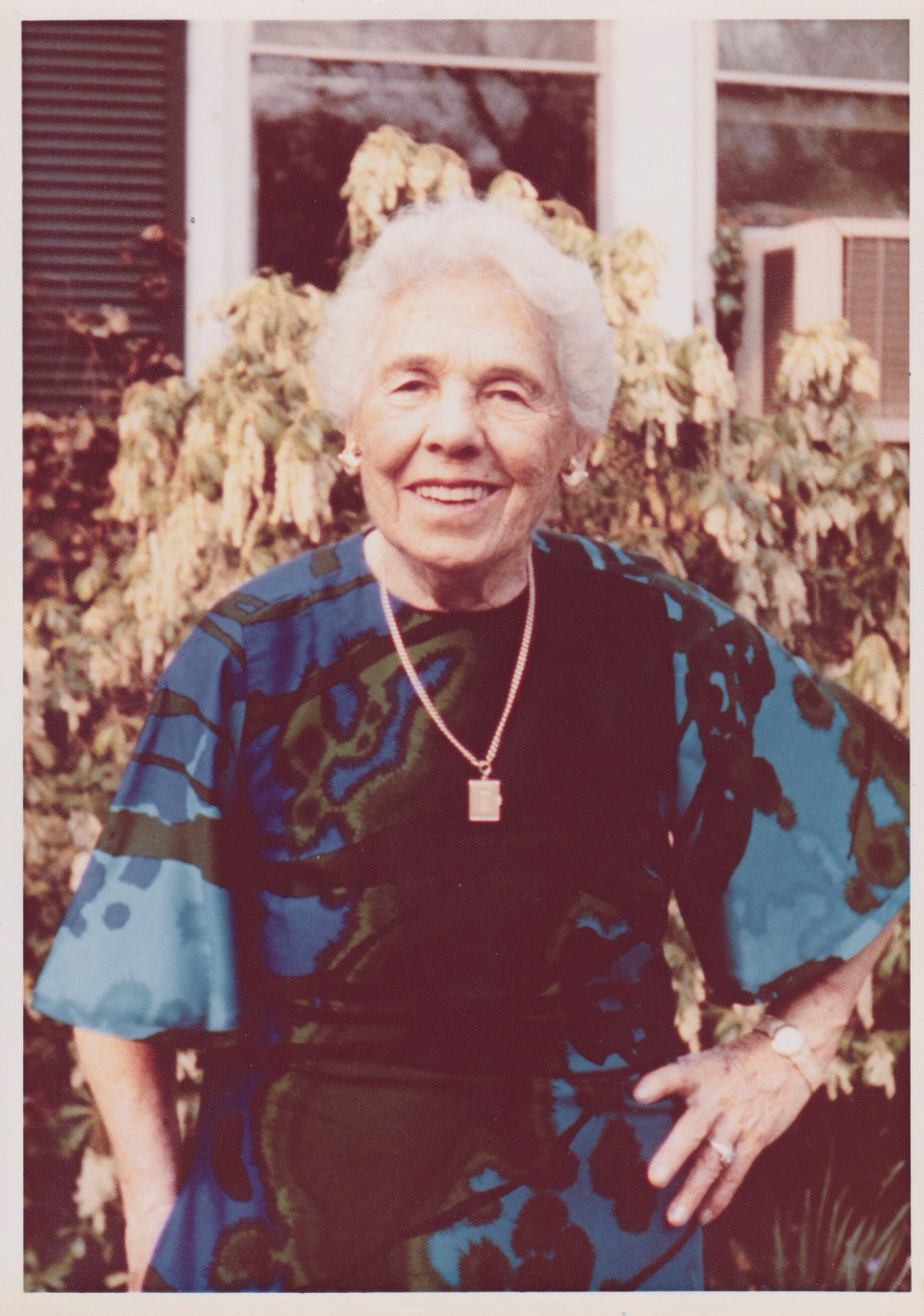 Clara Bartels was born in Amsterdam and came to the United States as a small child. Her father was a diamond cutter, and diamond cutters were in great demand in the diamond district of New York City. She grew up around the block from Jacques Cohen, who later in life changed the family’s last name to Coe, and whose father also was a diamond cutter who emigrated from Amsterdam. They would marry, have three kids, and then divorce, bitterly, at a time when divorce was not really something people were supposed to do.